
Fake vs Real South Africa Abalone
Have you ever savored the luxurious taste of South African abalone, or have you unknowingly dined on a counterfeit? In today's era of advanced technology, distinguishing between authentic and fake products has become increasingly challenging, especially in the realm of high-end goods like abalone.
- admin
- blog
Real vs Fake South Africa Abalone, how to differentiate?
Unveiling the Authenticity of South African Abalone: A Dive into Luxury and Heritage
Have you ever savored the luxurious taste of South African abalone, or have you unknowingly dined on a counterfeit? In today’s era of advanced technology, distinguishing between authentic and fake products has become increasingly challenging, especially in the realm of high-end goods like abalone.
The Prestige of South African Abalone
South African abalone, also known as perlemoen, is a rare and expensive seafood that symbolizes prestige and indulgence. It is often reserved for special occasions or festive seasons, where its exquisite flavor justifies its premium price. The rarity of South African abalone adds to its allure, with connoisseurs around the world seeking out this delicacy for its unique taste and cultural significance

A Closer Look at South African Abalone
Abalone are large sea snails with a strikingly colorful and iridescent inner shell, which is not only visually captivating but also used in jewelry and decorative items. Along the Western Cape coast of South Africa, the local species, Haliotis midae, thrives in the cool waters, developing its tender, flavorful flesh. The rich marine environment of the Western Cape provides the ideal conditions for abalone to grow and flourish, resulting in a product that is highly sought after for its exceptional quality and taste.
The Threat of Counterfeits
Unfortunately, the popularity of South African abalone has led to significant challenges, including overfishing and poaching. Conservation efforts are underway, but the demand for this delicacy continues to drive illicit activities. Fake abalone products made from limpets are often sold as the real thing, deceiving consumers and undermining the integrity of the abalone industry.
Identifying Genuine South African Abalone
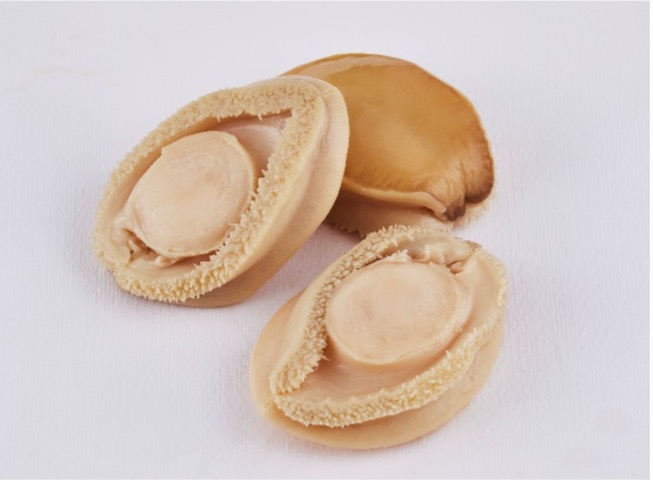
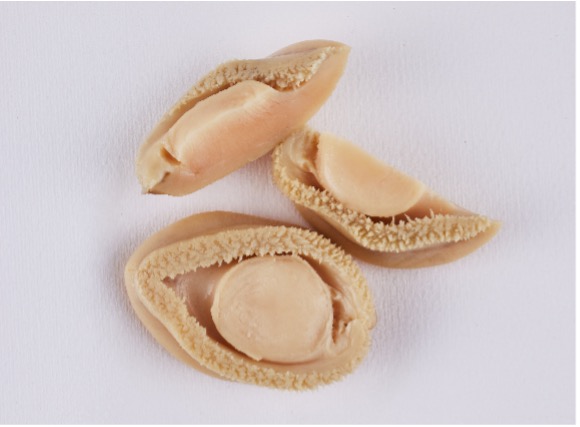
Distinguishing between real and fake abalone can be tricky, but there are key indicators to look out for. Genuine abalone will have a thick, plump texture and a light yellow or brown color. A central mark on the back of the shell is also a sign of authenticity. In contrast, fake abalone will have thin flesh that curls when dried and may lack the central mark on the shell.
Brand Assurance: Uncle Luk
Uncle Luk is a reputable South African abalone farming company with over 20 years of experience. It is the only farm with ACS high-quality certification, ensuring that consumers receive top-notch products. Uncle Luk’s commitment to sustainability and quality has made it a trusted source for authentic South African abalone, providing consumers with peace of mind when purchasing this luxury item.
When to Indulge
For the ultimate abalone experience, enjoy it during July and August, the peak breeding season when the sea temperatures are warm, and the meat is at its most tender and flavorful. This time of year offers the perfect opportunity to savor the unique taste of South African abalone and experience its cultural significance firsthand.
In Conclusion
South African abalone is a delicacy worth savoring, but it’s important to ensure that you’re getting the real deal. By following these guidelines, you can confidently identify and enjoy high-quality South African abalone, experiencing its exquisite taste and rich flavors. Bon appétit!